Harley Davidson Helmet Size Guide: A Comprehensive Overview (Updated 12/21/2025)
Today, December 21st, 2025, this guide offers detailed sizing information, ranging from XS to 5X, based on head circumference
in inches or centimeters, ensuring a secure and comfortable ride.
Finding the perfect fit with a Harley Davidson helmet is crucial for both safety and comfort during your rides. Harley-Davidson offers a diverse range of helmet models – full-face, modular, and half helmets – each potentially exhibiting slight variations in sizing. This guide aims to demystify the process, providing a comprehensive overview to help you determine your ideal helmet size.
Accurate sizing isn’t simply about selecting a Small, Medium, or Large; it’s about matching your head circumference to the manufacturer’s specific chart. Remember that sizing can differ between models, so always consult the chart relevant to the helmet you intend to purchase. Proper fit ensures the helmet effectively protects you in the event of an impact, while also preventing discomfort and distractions on the road.
We will cover detailed measurement techniques and specific size charts to guarantee a secure and enjoyable riding experience.
Why Accurate Helmet Fit Matters
An improperly fitted Harley Davidson helmet significantly compromises safety and comfort; A helmet that’s too loose can shift during an impact, reducing its protective capabilities and potentially leading to serious injury. Conversely, a helmet that’s too tight can cause discomfort, headaches, and even restrict blood flow, creating a dangerous distraction while riding.
The interior padding within a Harley Davidson helmet is designed to compress and conform to your head shape over time. Selecting a slightly snug fit initially is often recommended, as the padding will “break in” with use. However, this doesn’t justify choosing a size that’s demonstrably too small.
A secure fit ensures the helmet stays in place during a crash, distributing impact forces effectively. Prioritizing accurate sizing isn’t merely a suggestion; it’s a vital component of responsible motorcycle riding.
Understanding Harley Davidson Helmet Models & Sizing Variations
Harley Davidson offers a diverse range of helmet models – full-face, modular, and half helmets – each with potentially unique sizing characteristics. While Harley Davidson strives for consistency, subtle variations can exist between different styles due to internal shape and design features.
For instance, a modular helmet might fit differently than a full-face helmet, even if both are labeled the same size. This is because the modular design incorporates a hinged chin bar, influencing the overall internal volume. Similarly, the internal shape catering to different head shapes (round oval, intermediate oval, long oval) can affect fit.

Therefore, always consult the specific size chart for the exact Harley Davidson helmet model you are considering. Do not assume that your size in one model will automatically translate to another. Careful attention to model-specific sizing is crucial for achieving the optimal fit.
Harley Davidson Helmet Size Chart – General Guidelines
While specific charts vary by model, a general Harley Davidson helmet size chart provides a foundational understanding. Sizes typically range from Extra Small (XS) to 5X, accommodating a broad spectrum of head circumferences. As a starting point, an XS generally fits heads measuring under 21 inches, while a 5X accommodates circumferences exceeding 25 inches.
Medium helmets commonly fit head sizes between 22.8 and 23.6 inches. Large helmets typically range from 23.6 to 24.4 inches. It’s vital to remember these are general guidelines. Always prioritize the model-specific chart for accurate sizing.
Measuring one inch above the eyebrows is standard practice. If your measurement falls between sizes, it’s generally recommended to choose the smaller size, as the helmet’s interior padding will conform over time.
Converting Head Circumference: Inches to Centimeters
Accurate helmet sizing often requires converting between inches and centimeters. The conversion factor is straightforward: 1 inch equals 2.54 centimeters. Therefore, to convert your head circumference from inches to centimeters, simply multiply the measurement in inches by 2.54.
For example, a head circumference of 22 inches would convert to 55.88 centimeters (22 x 2.54 = 55.88). Conversely, to convert from centimeters to inches, divide the measurement in centimeters by 2.54. A head circumference of 56 centimeters would be approximately 22.05 inches (56 / 2.54 = 22.05).
Harley Davidson helmet size charts frequently provide measurements in both units, but knowing how to convert ensures you can accurately match your measurement to the appropriate size, regardless of the chart’s primary unit.
How to Measure Your Head for a Harley Davidson Helmet
Obtaining an accurate head circumference is crucial for selecting the correct Harley Davidson helmet size. The measurement should be taken around the largest part of your head, approximately one inch above your eyebrows. Ensure the measuring tape is level all the way around.
It’s recommended to measure multiple times to confirm consistency. If you have long hair, pull it back neatly to avoid influencing the measurement. Ideally, have a friend assist you for greater accuracy. Remember to measure each hand separately, and always use the largest measurement obtained.
A properly measured head circumference is the foundation for finding a comfortable and safe-fitting Harley Davidson helmet. Don’t estimate; precise measurement is key!
Step-by-Step Head Measurement Instructions
Step 1: Gather a flexible measuring tape. Step 2: Position the tape around your head, one inch above your eyebrows, maintaining a level plane. Step 3: Ensure the tape is snug but not overly tight – comfort is key. Step 4: Record the measurement in inches or centimeters.

Step 5: Repeat the measurement two or three times to verify accuracy. Step 6: If measurements vary slightly, use the largest value. Step 7: If you’re unsure, ask a friend to assist, ensuring the tape remains level.
Step 8: For the most precise fit, consider measuring your head while mimicking the posture you’d have while riding – slightly forward. Accurate measurements are vital for a safe and comfortable Harley Davidson helmet experience.
Tools Needed for Accurate Measurement

A flexible measuring tape is the primary tool; fabric or plastic tapes are preferred for their conformability to the head’s shape. Avoid metal tapes, as they lack the necessary flexibility. A mirror is highly recommended, especially if you’re measuring independently, to ensure the tape is positioned correctly – one inch above the eyebrows and level all around.
Assistance from another person can significantly improve accuracy, particularly in maintaining tape levelness. While not essential, a notebook and pen are useful for recording measurements immediately, preventing errors or forgotten numbers.
A consistent surface to stand or sit against can help maintain a stable posture during measurement. These simple tools, used correctly, will provide the foundation for selecting the perfect Harley Davidson helmet size.
Harley Davidson Specific Helmet Size Charts (By Model)
Harley Davidson helmets aren’t universally sized; variations exist between models like modular, full-face, and half helmets. Therefore, relying on a general chart is insufficient. Locate the chart specifically for the helmet model you intend to purchase – this is crucial for an accurate fit.
Sizing can differ slightly even within similar styles due to internal shaping and design features. Carefully compare your head measurement (obtained using the previously described techniques) to the ranges provided in the model-specific chart.
Always prioritize the manufacturer’s chart over generalized guides; These charts are designed to account for the unique characteristics of each Harley Davidson helmet, ensuring optimal comfort and safety.
Harley Davidson Modular Helmet Sizing
Harley Davidson modular helmets, offering versatility with their flip-up chin bar, require precise sizing. These helmets often run slightly tighter than full-face models to maintain safety when in the closed position. Consult the specific size chart for the modular helmet you’re considering, as variations exist.
Pay close attention to the cheek pad fit; they should be snug but not overly compressive. A proper fit ensures the helmet remains secure during impacts. Measure your head carefully, as modular helmets have less inherent give compared to other styles.
Consider the retracted position of the chin bar when assessing comfort. Ensure it doesn’t create pressure points or restrict vision. A well-fitted modular helmet balances security and convenience.
Harley Davidson Full-Face Helmet Sizing
Harley Davidson full-face helmets prioritize comprehensive protection, demanding a snug, secure fit. These helmets typically have a more rounded internal shape, so consider this when selecting a size. Refer to the specific size chart for the model you’ve chosen, as sizing can differ between styles.
Ensure the helmet fits snugly around your entire head, with no excessive movement. The brow should be covered, and the cheek pads should make firm contact with your cheeks. A proper fit prevents the helmet from shifting during an accident, maximizing protection.
Check for pressure points, particularly on your forehead and temples. A slight pressure is acceptable, but avoid any discomfort that could distract you while riding. Prioritize safety and a comfortable, secure fit.
Harley Davidson Half Helmet Sizing
Harley Davidson half helmets, offering a classic open-face style, require careful sizing for both comfort and a degree of protection. These helmets generally fit closer to the head, emphasizing accurate measurement. Consult the specific size chart for your chosen model, as variations exist.
Measure your head circumference as described previously, ensuring the tape measure sits one inch above your eyebrows. A snug fit is crucial; the helmet shouldn’t move excessively when you turn your head. However, avoid overly tight fits that cause pressure points.
Consider the intended use – longer rides may necessitate a slightly tighter fit to prevent movement at higher speeds. Proper strap adjustment is vital for securing the helmet and ensuring it remains in place during a ride.
What to Do If You’re Between Sizes
Finding yourself between sizes is a common occurrence when selecting a Harley Davidson helmet. Generally, it’s recommended to choose the smaller size. The interior padding within a new helmet will naturally compress and conform to the unique shape of your head over time, creating a more personalized fit.
However, this isn’t a universal rule. If the smaller size feels uncomfortably tight, causing pressure points or restricting blood flow, opt for the larger size. Prioritize comfort and safety; a helmet that’s too small is as problematic as one that’s too large.
Utilize the helmet’s adjustable features, such as cheek pads and liner systems, to fine-tune the fit. Secure the D-ring strap and assess the helmet’s stability with head movements. A snug, secure fit without excessive pressure is the ideal outcome.
Choosing the Smaller vs. Larger Size
When your head measurement falls between two sizes, the decision between a smaller or larger Harley Davidson helmet requires careful consideration. Starting with the smaller size is often advised, as the helmet’s internal padding will compress and mold to your head shape during the break-in period.
However, prioritize comfort and safety above all else. If the smaller size creates significant pressure points, restricts circulation, or feels generally uncomfortable, absolutely choose the larger size. A helmet that’s too tight can cause headaches and distraction.
Remember, a properly fitted helmet should feel snug, but not constricting. Test the fit by moving your head around; the helmet should remain securely in place without shifting excessively. Utilize adjustable cheek pads and liners to refine the fit further, ensuring optimal comfort and protection.
Helmet Break-In Period & Fit Adjustment
A new Harley Davidson helmet requires a break-in period to achieve its optimal fit. Initially, it may feel slightly snug, but the interior padding—specifically the cheek pads and liner—will gradually conform to the unique contours of your head with each ride. Expect this process to take several rides, potentially up to a week or two of regular use.
During this period, pay attention to any pressure points or areas of discomfort. Harley Davidson helmets often feature adjustable cheek pads allowing you to customize the fit. Experiment with different thicknesses to alleviate pressure and enhance comfort.
Minor adjustments to the D-ring strap can also improve the overall fit and security. Ensure the strap is snug, but not overly tight, allowing for comfortable breathing and movement. A well-adjusted helmet is crucial for both safety and enjoyment.
Harley Davidson Helmet Features Affecting Fit
Several key features of Harley Davidson helmets directly influence the fit and comfort. Adjustable cheek pads are prevalent, allowing riders to fine-tune the snugness against their cheeks, minimizing movement and enhancing stability. Removable and washable liners contribute to both hygiene and fit customization; different liner thicknesses can subtly alter the helmet’s internal volume.
The shell shape itself varies between models – some are designed for a more round head shape, while others suit oval heads better. Pay attention to the helmet’s profile when selecting a model. D-ring closures and strap materials also impact fit; ensure the strap is secure and doesn’t cause irritation.
Ventilation systems, while primarily for comfort, can also affect fit by creating slight pressure changes. Consider these features when choosing and adjusting your Harley Davidson helmet.
Cheek Pads and Liner Adjustments
Harley Davidson helmets often feature removable and adjustable cheek pads, crucial for achieving a personalized fit. Experiment with different pad thicknesses – thicker pads provide a snugger fit for rounder faces, while thinner pads suit narrower faces. Ensure both sides are symmetrical for balanced support and comfort.
The helmet liner plays a significant role in overall fit. Removable liners allow for washing, maintaining hygiene and potentially restoring some initial snugness. Some models offer different liner thicknesses as accessories, enabling fine-tuning of the internal volume.
Proper adjustment minimizes helmet movement during rides, enhancing safety and comfort. Take time to adjust these components after initial purchase and periodically thereafter, as materials can compress over time.
D-Ring and Strap Adjustment for Secure Fit

The D-ring and chin strap are vital for helmet retention during an impact. Proper adjustment ensures the helmet stays securely on your head in the event of a crash. Begin by loosening both sides of the strap before putting on the helmet. Once on, tighten the strap until it’s snug against your chin – you should be able to fit no more than two fingers between the strap and your chin.
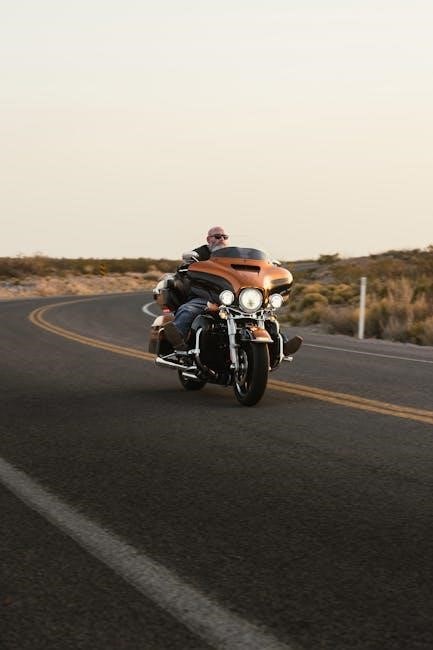
Ensure the D-rings are properly threaded and locked. A secure lock is confirmed when the excess strap tail passes through only one D-ring. Avoid over-tightening, which can cause discomfort and restrict breathing.
Regularly check the D-ring and strap for wear and tear. Replace damaged components immediately to maintain optimal safety.
Common Harley Davidson Helmet Fit Issues & Solutions
Many riders experience fit issues, even with careful sizing. A helmet feeling too tight often causes headaches and discomfort, especially during longer rides. Solutions include checking cheek pad size and considering a larger shell size, allowing for a more comfortable fit. Conversely, a loose helmet compromises safety, potentially shifting during impact.
If your helmet feels too loose, try adjusting the D-ring strap for a snugger fit. Smaller cheek pads can also help reduce internal volume. Pressure points are another common issue; these can often be alleviated with helmet break-in time or by adjusting the liner.
If problems persist, consult with a Harley Davidson dealership professional for personalized fitting advice.
Helmet Feels Too Tight
A helmet that’s excessively tight creates pressure points, leading to discomfort and headaches, particularly on extended rides. Initial tightness is normal, as the interior padding is designed to compress during break-in. However, persistent, significant pressure indicates a potential sizing issue.
First, ensure the D-ring strap isn’t overly tightened, as this can exacerbate the feeling of constriction. Next, examine the cheek pads; sometimes, they are too thick for your face shape. Consider swapping them for thinner pads, if available, or exploring a larger helmet shell size.
Allow sufficient break-in time, as the padding will conform to your head shape. If tightness remains, a professional fitting is crucial to avoid compromising comfort and safety.
Helmet Feels Too Loose
A loose-fitting helmet compromises safety significantly, as it can shift during impact, reducing protection. If the helmet moves easily on your head, or you can rotate it without resistance, it’s too large. Don’t attempt to compensate with thicker headwear; this defeats the helmet’s safety features.
Begin by adjusting the D-ring strap, ensuring a snug, secure fit under your chin – you should only be able to fit one or two fingers between the strap and your neck. Next, explore thicker cheek pads, if available, to fill the extra space.
If these adjustments don’t resolve the issue, a smaller helmet size is necessary. A properly fitted helmet should feel snug all around, without causing pressure points, and remain stable during head movements.
Where to Buy Harley Davidson Helmets & Get Fitted
The best place to purchase a Harley Davidson helmet and receive a professional fitting is at an authorized Harley Davidson dealership. Knowledgeable staff can guide you through the sizing process and offer model-specific advice. Dealerships provide a hands-on experience, allowing you to try on various sizes and styles to find the perfect fit.
Alternatively, numerous online retailers sell Harley Davidson helmets, but carefully review their return policies before purchasing. Ensure the retailer accepts returns or exchanges if the initial size isn’t correct.
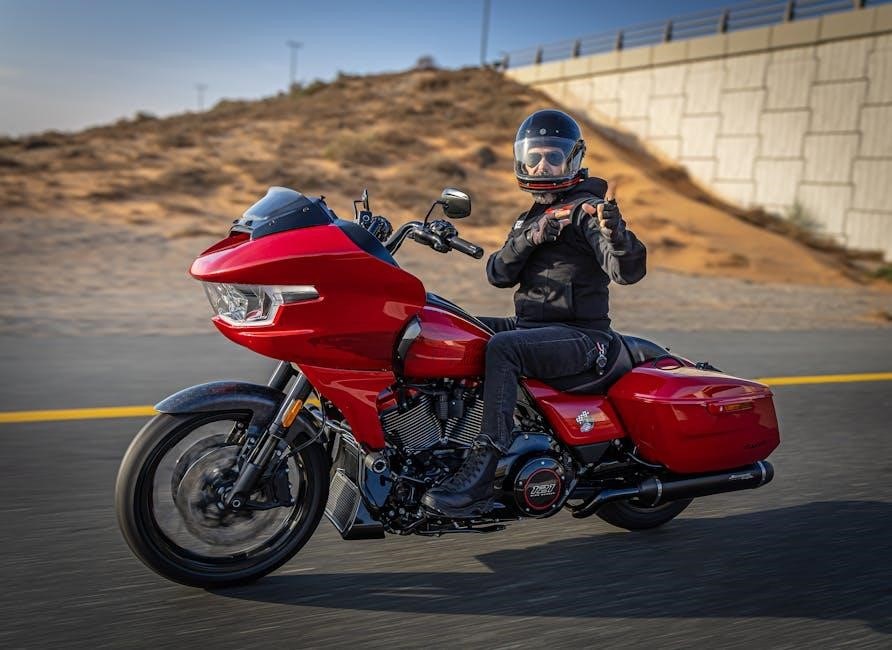
When buying online, accurately measure your head circumference and consult the Harley Davidson size chart. Prioritize retailers with detailed sizing information and customer support to assist with any fit-related questions.
Authorized Harley Davidson Dealerships
Visiting an authorized Harley Davidson dealership offers the most comprehensive helmet fitting experience. Trained professionals are available to assist you, ensuring a precise measurement and recommending the appropriate size and model for your head shape. Dealerships stock a wide variety of Harley Davidson helmets, allowing you to physically try on different styles – full-face, modular, half-helmet – to assess comfort and visibility.
These dealerships prioritize safety and proper fit, going beyond simply selecting a size based on circumference. They’ll assess the helmet’s stability, cheek pad pressure, and overall feel to guarantee a secure and comfortable fit. Locate your nearest authorized dealership through the official Harley Davidson website for expert guidance and genuine products.
Dealerships often host events and promotions, providing opportunities to learn more about helmet technology and safety features.
Online Retailers & Return Policies
Purchasing a Harley Davidson helmet online offers convenience, but requires careful consideration of return policies. While offering a broader selection, online retailers necessitate self-measurement, increasing the risk of an incorrect fit. Always prioritize retailers with generous and hassle-free return policies, allowing for exchanges or refunds if the initial size isn’t suitable.
Before finalizing your purchase, thoroughly review the retailer’s specific terms and conditions regarding returns, including any associated shipping costs or restocking fees. Look for retailers that provide detailed size charts specific to Harley Davidson helmets and encourage customers to contact them with sizing questions.
Keep all original packaging and tags intact until you’ve confirmed a satisfactory fit. A clear understanding of the return policy is crucial for a positive online shopping experience.
Harley Davidson Helmet Safety Standards & Certification
Harley Davidson helmets are engineered to meet stringent safety standards, providing crucial protection for riders. Understanding these certifications is vital when selecting a helmet. The primary standard is DOT (Department of Transportation) certification, mandatory for all helmets sold in the United States. This ensures the helmet meets minimum impact resistance and structural integrity requirements.
Many Harley Davidson helmets also meet or exceed ECE (Economic Commission for Europe) standards, a globally recognized certification offering a higher level of testing and protection. ECE certification often indicates a more comprehensive testing process than DOT alone.
Look for the DOT and/or ECE labels inside the helmet to verify compliance. Choosing a certified helmet is non-negotiable for rider safety, guaranteeing a level of protection in the event of an accident.
DOT Certification Explained
DOT (Department of Transportation) certification is a fundamental safety requirement for all motorcycle helmets sold legally within the United States. This certification isn’t a formal approval process; rather, manufacturers self-certify their helmets meet the Federal Motor Vehicle Safety Standard (FMVSS) 218.
The standard involves rigorous testing assessing impact absorption, penetration resistance, and retention system strength. A DOT sticker inside the helmet signifies the manufacturer’s claim of compliance. However, it’s important to note DOT doesn’t independently verify every helmet.
While DOT is the baseline, it’s often considered less stringent than ECE standards. Nevertheless, a DOT-certified helmet provides a crucial level of protection, ensuring a minimum standard of safety for riders on American roads.
ECE Certification Explained
ECE (Economic Commission for Europe) certification represents a higher standard of helmet safety, widely recognized internationally and increasingly popular in the US. Unlike DOT’s self-certification, ECE requires independent testing by accredited laboratories. Helmets must pass more comprehensive tests, including broader impact zones, shell integrity, and visor performance.
ECE 22.06 is the current standard, replacing the older 22.05, and features significantly enhanced testing protocols. Helmets displaying the ECE sticker have undergone rigorous scrutiny, offering riders increased confidence in their protective capabilities. The certification process is more thorough and objective than DOT.
Many riders and safety advocates consider ECE-certified helmets to offer superior protection. Choosing an ECE-certified Harley Davidson helmet demonstrates a commitment to prioritizing safety and investing in a high-quality product.
Leave a Reply
You must be logged in to post a comment.