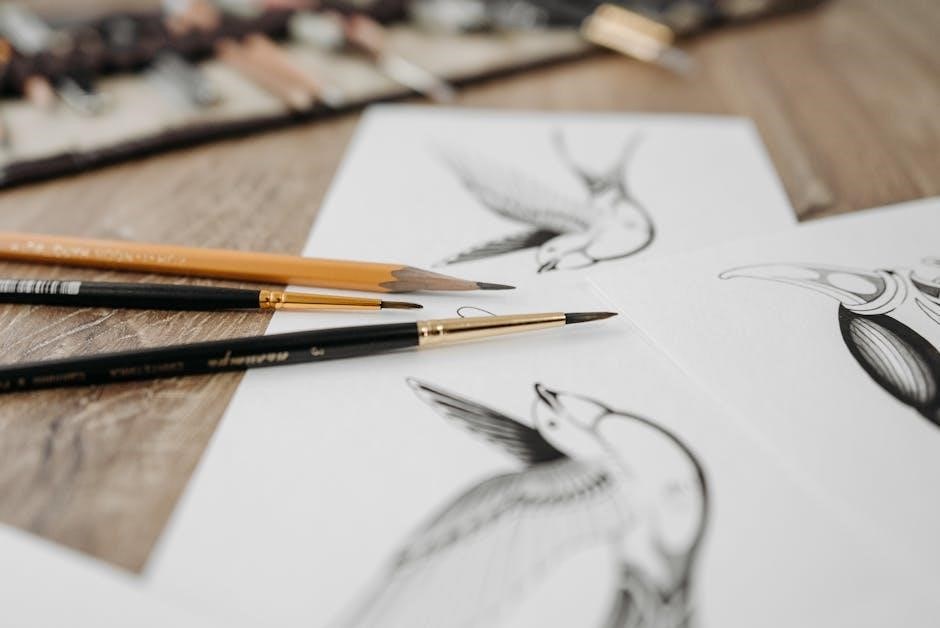
Navigating copyright law is crucial for bird artists; this guide, based on US law, clarifies protections for original avian artwork and its commercial use.
Why Copyright Matters for Bird Artists
Copyright safeguards the unique expression within bird illustrations, granting artists exclusive rights to reproduce, distribute, and create derivative works. This protection is vital for commercial viability, allowing artists to license their work, prevent unauthorized use, and maintain control over their creative output. Without copyright, bird art is vulnerable to exploitation, diminishing its value and potentially impacting an artist’s livelihood.
Understanding these legal rights empowers bird artists to confidently share their work, knowing their intellectual property is legally protected, fostering a sustainable creative practice within the vibrant field of ornithological art.
Scope of this Guide: Focusing on US Law
This guide specifically addresses copyright law within the United States, offering a focused resource for bird artists operating under US legal frameworks. While international copyright principles exist, nuances vary significantly by country. Therefore, this resource concentrates on the regulations outlined by the US Copyright Office, including provisions regarding visual art works and their protection.
It aims to provide clarity on US-specific duration rules, fair use doctrines, and registration processes relevant to bird illustrations, ensuring artists have actionable guidance for their work.
Defining “Visual Art” in a Legal Context
US copyright law protects “pictorial, graphic, and sculptural works,” encompassing bird illustrations; understanding these definitions is vital for artists seeking legal protection.
What Constitutes a “Visual Art Work”?
According to the US Copyright Office, a “visual art work” encompasses a wide range of creative expressions, fundamentally defined by its tangible form and originality. This includes paintings, drawings, prints, photographs, and sculptures – all directly applicable to bird illustration. The key is that the work must be fixed in a tangible medium, representing a concrete expression of an idea.
This fixation doesn’t necessitate a finished, polished piece; even preliminary sketches can qualify for copyright protection, provided they demonstrate sufficient creative authorship. The law aims to safeguard the artist’s unique vision and prevent unauthorized reproduction or distribution of their work.
Pictorial, Graphic, and Sculptural Works – Relevance to Bird Drawings
Bird illustrations fall squarely within the definitions of “pictorial, graphic, and sculptural works” as outlined by copyright law. Pictorial works encompass drawings and paintings, while graphic works include prints and digital renderings of birds. Even three-dimensional representations, like sculpted bird figures, are protected.
This broad categorization ensures that diverse artistic interpretations of avian subjects – from realistic depictions to stylized designs – are eligible for copyright. The protection extends to the unique artistic choices made by the creator, solidifying their rights over the artwork.
Architectural Works and Their Limited Connection to Bird Art
While copyright law protects architectural works, their relevance to bird illustration is generally minimal. Unless a bird artwork prominently features a uniquely designed building as a central element, architectural copyright typically doesn’t apply. However, if a bird is depicted within a copyrighted architectural design, considerations arise.
The focus remains on the originality of the bird illustration itself. Depicting a bird perched on a common building style doesn’t infringe architectural copyright, but replicating a distinctive architectural feature could present issues.
Fixation: The Cornerstone of Copyright Protection
Copyright protection requires the bird illustration to be fixed in a tangible medium, whether a traditional sketch or a digital file, ensuring permanence.
Tangible Medium of Expression
For copyright to apply to bird illustrations, the work must exist in a tangible form—it cannot be merely an idea in the artist’s mind. This means the artwork needs to be recorded in some way, such as on paper through traditional drawing methods, or digitally using software.
The “tangible medium” encompasses a wide range of possibilities, including canvas, wood, clay, or any other physical surface. Digitally, this includes files saved on computers, tablets, or storage devices.
Essentially, the artwork must be capable of being perceived, reproduced, or otherwise communicated, demonstrating its existence beyond a fleeting thought.
Permanent or Durable Form – Applying this to Sketches & Digital Art
Copyright requires the bird illustration to be fixed in a reasonably permanent or durable form. Quick sketches, while potentially creative, may not meet this threshold if they are extremely ephemeral or lack detail. However, even preliminary sketches can be protected if sufficiently developed.
Digital art fares well here, as saving a file creates a durable record. Backing up digital files is crucial, though, to ensure continued protection. The key is that the work is stable enough to be reproduced later.
The Moment of Fixation: When Copyright Begins
Copyright protection for a bird illustration automatically arises the instant the work is fixed in a tangible medium. This means when the artist’s creative vision takes a permanent form – pencil on paper, pixels on a screen, or paint on canvas.
There’s no need for registration at this stage; protection is immediate. However, documenting the date of creation is advisable for potential disputes. The act of ‘fixing’ is the critical trigger for copyright to exist.
Copyrightable Authorship in Bird Illustrations
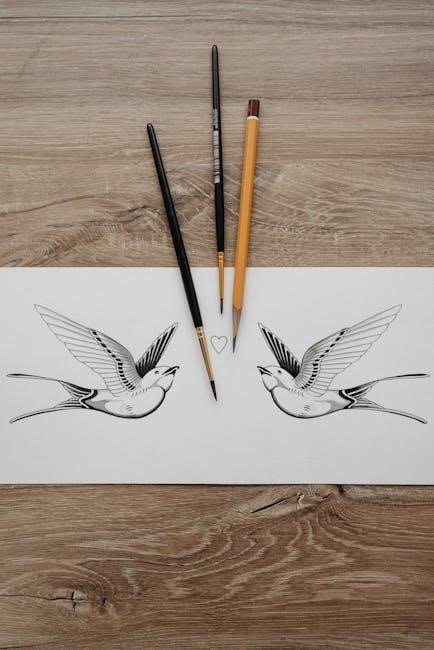
Originality is key; bird art gains copyright through the artist’s creative choices, demonstrating authorship and distinguishing it from mere copies or reproductions.
Originality: The Key Requirement
Copyright protection for bird illustrations hinges on originality, meaning the work must be independently created by the artist and possess at least some minimal degree of creativity. This doesn’t demand groundbreaking innovation; even modest creative choices are sufficient. Simply replicating a photograph, without adding unique artistic expression, generally won’t qualify for copyright.
The legal standard focuses on whether the work reflects the author’s personality and embodies a creative impulse. Consider elements like composition, color palette, style, and the specific depiction of the bird’s features – these contribute to originality.
Creative Choices: Demonstrating Authorship in Bird Art
Bird artists establish authorship through deliberate creative decisions throughout their process. These include selecting a unique perspective, employing a distinctive artistic style – such as realism, impressionism, or abstraction – and choosing a specific medium like watercolor, oil, or digital painting.
Variations in pose, plumage detail, background elements, and overall composition all contribute to demonstrating originality. Even subtle alterations to a reference photograph, combined with artistic skill, can establish copyrightable authorship. Documenting your creative process can further support your claim.
Derivative Works: Drawing from Photographs or Other Art
Creating bird illustrations based on existing photographs or artwork requires careful consideration of copyright law. A derivative work transforms or adapts a pre-existing work, and permission is generally needed from the original copyright holder.
Simply tracing or making minimal changes doesn’t establish originality. Substantial creative additions and alterations are crucial to avoid infringement. Utilizing public domain images or obtaining proper licenses are essential steps for legally creating derivative bird art.
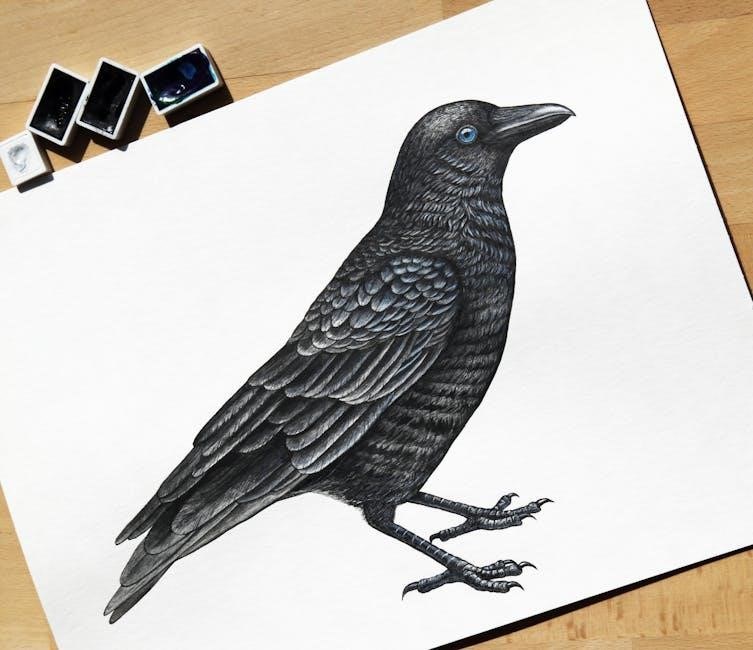
Understanding Uncopyrightable Elements
Copyright doesn’t extend to every aspect of bird art; common shapes and familiar designs lack protection, impacting artistic freedom and legal boundaries.
Limitations to Copyright Protection
While copyright safeguards original bird illustrations, it isn’t absolute. Certain elements fall outside its scope, preventing exclusive control. Ideas themselves aren’t copyrightable; only their tangible expression is protected.
This means an artist can’t monopolize the idea of a robin perched on a branch, but their specific depiction of it can be copyrighted. Similarly, factual information about bird anatomy isn’t protectable.
Copyright law aims to balance protecting creators with fostering creativity and the free exchange of ideas within the artistic community, especially concerning natural subjects.
Common Geometric Shapes in Bird Anatomy
Bird illustrations frequently utilize basic geometric forms – circles for heads, ovals for bodies, triangles for beaks – as foundational elements. Copyright doesn’t extend to these universally recognized shapes themselves.
An artist can’t claim ownership of a circle used to represent a bird’s eye; it’s a common building block of visual art. However, the arrangement and stylization of these shapes, combined with unique artistic choices, can be copyrightable.
The key lies in the overall creative expression, not the individual, unoriginal components.
Familiar Symbols and Designs Used in Bird Art
Bird art often incorporates widely recognized symbols – nests representing home, feathers symbolizing freedom, or specific floral motifs associated with a bird’s habitat. These pre-existing, commonplace designs generally lack copyright protection.
An artist cannot monopolize the depiction of a generic nest or a single feather; these are considered part of the public domain’s visual vocabulary.
Copyright protection arises from the unique combination and artistic interpretation of these symbols within a larger, original work.
Copyright Duration for Bird Illustrations
Copyright typically lasts the author’s lifetime plus 70 years; works made for hire have different rules, eventually entering the public domain.
Life of the Author + 70 Years
Generally, for bird illustrations created after January 1, 1978, copyright protection extends for the life of the author plus an additional 70 years. This standard duration applies to works of original authorship, encompassing sketches, paintings, and digital renderings of birds. Determining the author’s date of death is crucial for calculating the copyright’s expiration. This lengthy period aims to provide substantial protection for the artist’s creative endeavors and their estate, incentivizing artistic creation and allowing for potential economic benefits over a significant timeframe. Proper record-keeping of the author’s lifespan is therefore essential for copyright management.
Works Made for Hire: Different Duration Rules
Bird illustrations created as “works made for hire” have a different copyright duration than those created independently. Typically, copyright lasts for 95 years from the year of first publication or 120 years from the year of creation, whichever expires first. This applies when the artwork is produced by an employee within the scope of their employment, or specifically commissioned as a work for hire. Understanding this distinction is vital, as it significantly impacts when the artwork enters the public domain, affecting its subsequent use and availability.
Public Domain: When Copyright Expires
Bird illustrations eventually enter the public domain, becoming freely available for use without permission. For works created after January 1, 1978, copyright generally lasts for the life of the author plus 70 years. However, for works made for hire, it’s 95 years from publication or 120 from creation. Once copyright expires, the artwork can be copied, distributed, adapted, and displayed by anyone, fostering creativity and accessibility within the bird art community.
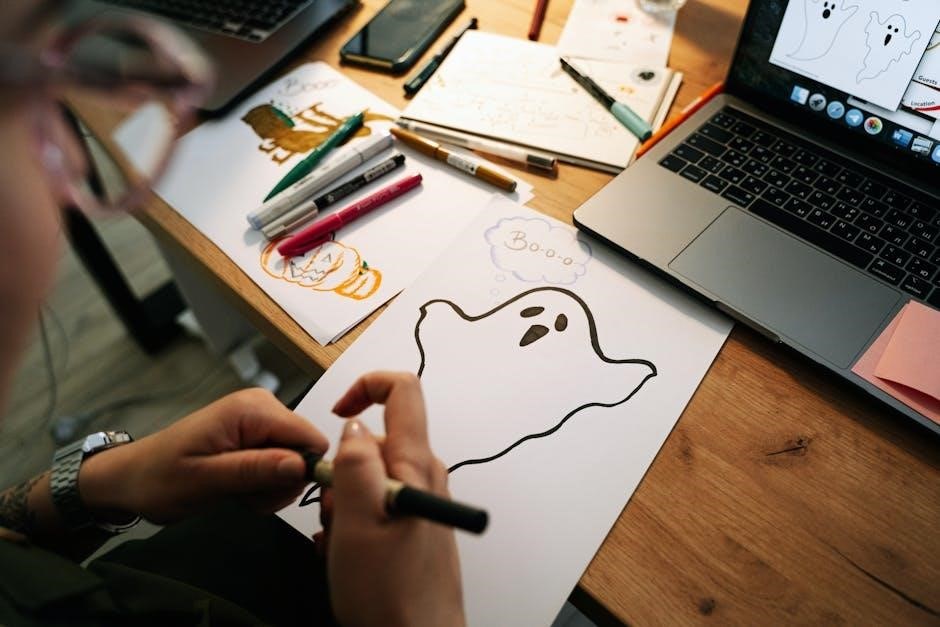
Fair Use and Bird Illustrations
“Fair use” allows limited use of copyrighted bird art for purposes like criticism, education, or news reporting, balancing rights and public access.
Purpose and Character of the Use
Determining fair use begins by examining the new work’s purpose and character. Is it transformative, adding new meaning or expression to the original bird illustration?
Non-profit educational uses often receive more leeway than commercial endeavors. Parody, criticism, and news reporting are frequently considered fair use, but simply replicating an image isn’t.
The more transformative the new work, and the less it substitutes for the original, the stronger the fair use claim becomes regarding bird artwork.
Nature of the Copyrighted Work
The nature of the original bird illustration significantly impacts fair use analysis. Published works generally have a broader scope for fair use than unpublished ones.
Highly creative and imaginative bird art receives greater protection than works with factual or commonplace elements. The more original the expression, the harder it is to justify copying.
Considering whether the original artwork serves a primarily functional purpose, or is purely aesthetic, also influences the assessment of fair use in bird art cases.
Amount and Substantiality of the Portion Used
Fair use considers not just the quantity of a bird illustration used, but also its qualitative importance within the original work.
Taking the “heart” of the artwork – a key compositional element or distinctive feature of a bird – weighs against fair use, even if a small portion is taken.
Using a minimal, insignificant part of a bird drawing is more likely to be considered fair use than replicating a central, defining aspect of the piece.
Licensing Your Bird Artwork
Granting licenses allows controlled use of your bird illustrations; options range from exclusive rights to simplified Creative Commons approaches for broader distribution.
Types of Licenses: Exclusive vs. Non-Exclusive
Exclusive licenses grant a single party sole rights to use your bird artwork, preventing you from licensing it to others during the agreement’s term – offering maximum control but limiting income streams. Non-exclusive licenses, conversely, allow you to license the same artwork to multiple parties simultaneously, maximizing potential revenue but relinquishing some control over its usage.
Carefully consider the scope of rights granted, duration, and territory when drafting license agreements. Exclusive licenses typically command higher fees due to their restrictive nature, while non-exclusive licenses are often favored for broader market reach and passive income generation.
Creative Commons Licenses: A Simplified Approach
Creative Commons (CC) licenses offer a standardized way to grant permissions for your bird illustrations, ranging from allowing any use with attribution (CC BY) to restricting commercial applications (CC NC). These licenses simplify the licensing process, providing pre-defined terms that clearly outline what others can and cannot do with your work.
Choosing a CC license can broaden your artwork’s reach while still retaining some control. However, understand the implications of each license type before applying one, as they are generally irrevocable for the license’s duration.
Negotiating License Agreements
When licensing your bird artwork, a well-drafted agreement is essential. Clearly define the scope of use – specifying permitted media, geographic territory, and duration. Detail the licensing fee structure, considering exclusivity and usage rights. Include clauses addressing copyright ownership, attribution requirements, and potential breach of contract remedies.
Legal counsel is advisable for complex agreements. Don’t hesitate to negotiate terms that protect your interests and ensure fair compensation for your creative work, especially for commercial applications.
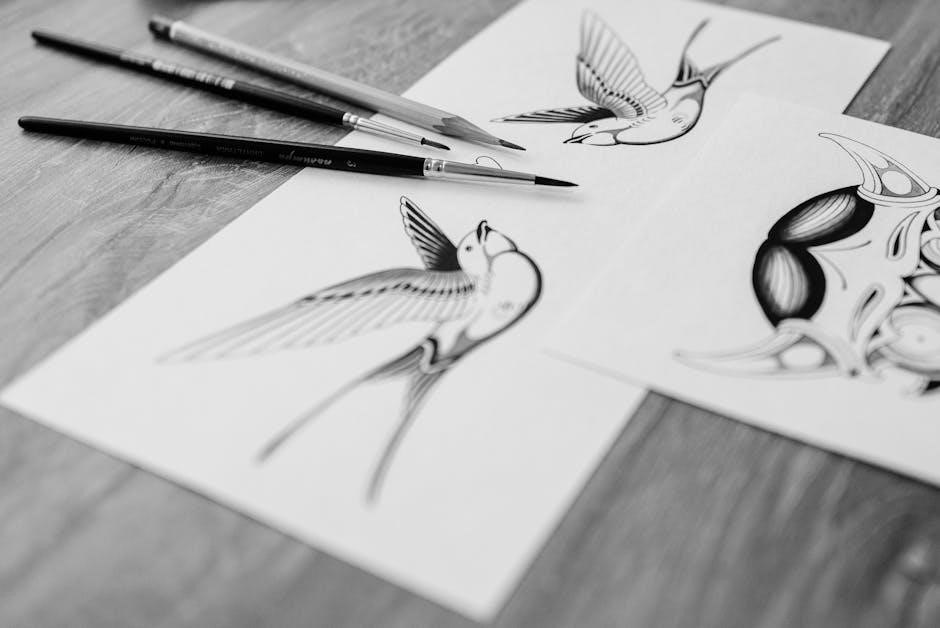
Copyright Infringement and Bird Art
Identifying unauthorized use of your bird illustrations is key; legal remedies exist, including DMCA takedown notices, and potential financial compensation for damages.
Identifying Infringement
Determining copyright infringement involves comparing your original bird illustration with the allegedly infringing work, looking for substantial similarity in expressive elements. Consider if the alleged copy captures the unique artistic choices – composition, style, color palette, and distinctive details – that define your authorship.
Direct copying is obvious, but infringement can also occur through derivative works that improperly borrow protected elements. Online searches, reverse image searches, and monitoring platforms can help detect unauthorized reproductions of your bird art. Document any instances of suspected infringement with screenshots and URLs for potential legal action.
Legal Remedies for Infringement
If your bird illustration copyright is infringed, several legal avenues exist. You can pursue a civil lawsuit seeking monetary damages, including actual losses and the infringer’s profits. Statutory damages, a fixed amount per work, are available even without proof of actual harm.
An injunction can halt further infringing activity. The Digital Millennium Copyright Act (DMCA) provides takedown procedures for online infringements. Legal counsel specializing in copyright law is crucial to navigate these complexities and protect your artistic rights effectively.
Digital Millennium Copyright Act (DMCA) and Online Infringement
The Digital Millennium Copyright Act (DMCA) offers a framework for addressing copyright infringement online, particularly relevant for bird artists sharing work digitally. It provides a “safe harbor” for online service providers (OSPs) like social media platforms.
Artists can submit takedown notices to OSPs requesting removal of infringing content. The OSP must promptly remove the material or risk losing safe harbor protection. Understanding DMCA procedures is vital for protecting your bird illustrations in the digital realm.
Protecting Your Bird Illustrations Online
Employ watermarks, metadata, and copyright notices to deter unauthorized use of your bird artwork; regularly monitor online platforms for potential infringements.
Watermarking Techniques
Visible watermarks, though potentially detracting from the artwork’s aesthetic, serve as a clear deterrent and copyright notice. Consider translucent logos or text strategically placed across the image.
Digital watermarks embedded within the image file itself offer a more subtle approach, often invisible to the casual observer but detectable with specialized software.
However, determined infringers can often remove visible watermarks, and embedded watermarks aren’t foolproof. A combination of both visible and invisible techniques provides the strongest protection for your valuable bird illustrations online.
Metadata and Copyright Notices
Embedding copyright information directly into the digital file’s metadata is a crucial, yet often overlooked, protective step. Include your name, copyright year, and a clear copyright notice within the image file’s properties.
This data travels with the image, even if it’s reposted or shared, establishing your ownership claim.
Alongside metadata, prominently display a copyright notice (© Your Name, Year) on any website or platform where your bird illustrations are showcased, reinforcing your rights.
Monitoring for Unauthorized Use
Regularly searching the internet for unauthorized reproductions of your bird illustrations is essential for protecting your copyright. Utilize reverse image search tools like Google Images to identify potential infringements across websites and social media platforms.
Set up Google Alerts using keywords related to your artwork or artist name to receive notifications when new content appears online.
Proactive monitoring allows for swift action against copyright violations, safeguarding your artistic creations and income.
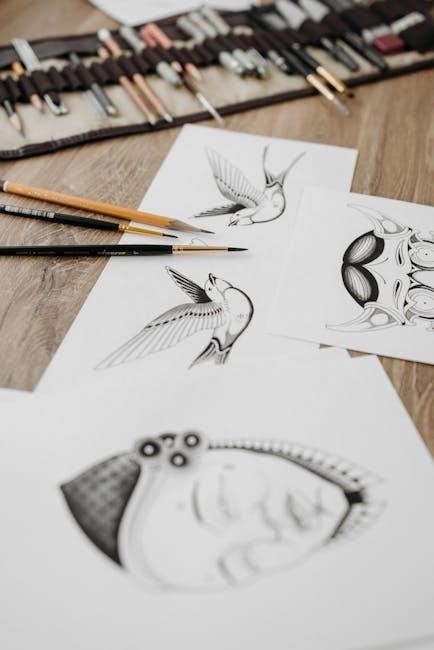
Using Reference Materials Legally
Employing references is acceptable, but avoid creating derivative works based on copyrighted photographs or art; utilize public domain resources whenever possible.
Photographs: Copyright Considerations
When using photographs as references for bird illustrations, understand that the photographer generally holds the copyright, not the subject matter itself. Directly copying substantial elements from a copyrighted photograph – beyond basic reference – can constitute infringement.
Always seek permission or a license from the photographer for significant use, especially if your artwork closely resembles the original photo. Utilizing photographs in the public domain, or those with Creative Commons licenses permitting modification, offers a safer legal path.
Transformative use, where your artwork significantly alters the photograph’s character, may fall under fair use, but this is a complex legal determination.
Other Artists’ Work: Avoiding Derivative Work Issues
Drawing inspiration from other bird artists is common, but creating a “derivative work” – based upon a pre-existing copyrighted artwork – requires permission from the original copyright holder. Simply tracing or closely copying another artist’s style or composition can lead to legal trouble.
Focus on developing your own unique artistic expression and avoid substantial similarity to existing works.
Transformative use, adding significant new creative elements, can mitigate derivative work concerns, but careful consideration is essential to avoid infringement claims;
Public Domain Resources for Bird Imagery
Utilizing public domain bird imagery offers a safe haven for artists seeking reference material without copyright concerns. Works where copyright has expired – generally, life of the author plus 70 years – are freely available for use and adaptation.
Resources like the Biodiversity Heritage Library and older ornithological illustrations often fall into this category.
Always verify the copyright status before using any image, as some collections may contain works with restricted licenses or unknown origins.
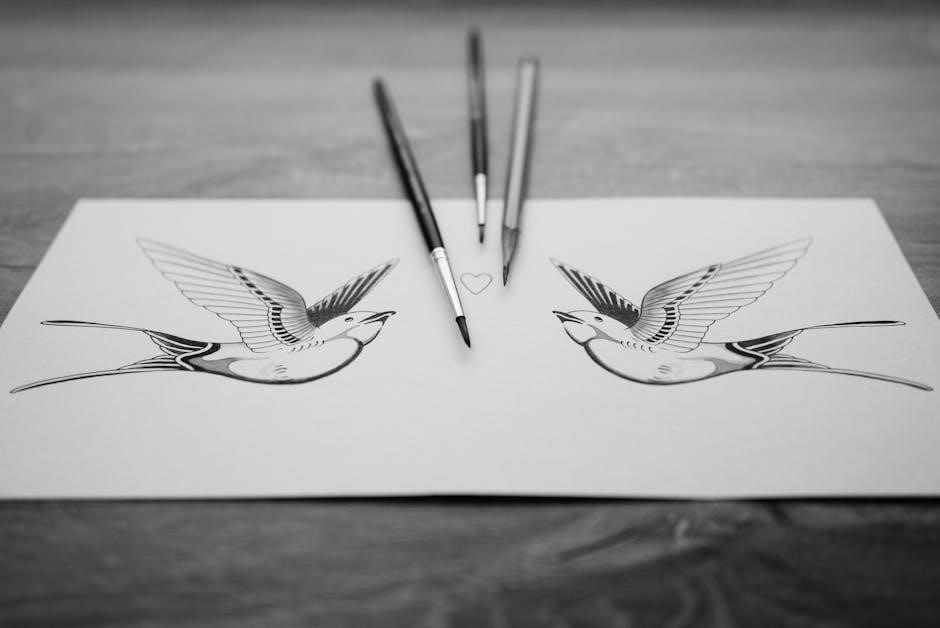
Registering Your Copyright
Formal registration with the US Copyright Office provides a public record of your ownership and enables stronger legal recourse against infringement of bird art.
Benefits of Registration
Registering your bird illustrations creates a public record of your copyright claim, establishing a legal presumption of ownership which is beneficial in potential infringement disputes. This allows for statutory damages and attorney’s fees, unavailable without registration. While copyright exists from the moment of fixation, registration is necessary to file an infringement lawsuit. Furthermore, timely registration—before an infringement occurs or within three months of publication—maximizes legal remedies. It also deters potential infringers, signaling your serious protection of your artistic work and intellectual property rights concerning your bird depictions.
The Registration Process with the US Copyright Office
The US Copyright Office offers online registration through its website, requiring a digital deposit of the bird illustration and completion of an application form. Applicants must create an account, pay the required fee, and provide details about the artwork, including authorship and publication status; Accurate information is vital for a successful registration. The office examines applications for completeness; corrections may be requested. Once approved, a Certificate of Registration is issued, solidifying your copyright claim for your bird-related artistic creations.
Costs Associated with Registration
Registering bird illustrations with the US Copyright Office incurs fees that vary based on the type of application and method of filing. As of recent updates, the standard online registration fee is typically around $45-$65. Fees are subject to change, so checking the Copyright Office website for current rates is essential. Additional fees may apply for expedited processing or claims of special services. While registration isn’t mandatory, the associated costs offer significant legal benefits for protecting your avian artwork.
Leave a Reply
You must be logged in to post a comment.