Tanker Endorsement Study Guide: Comprehensive Plan (Updated 2026)
Successfully prepare for your tanker endorsement with updated 2026 resources, including the March 2025 CDL manual, practice tests, and focused study guides.
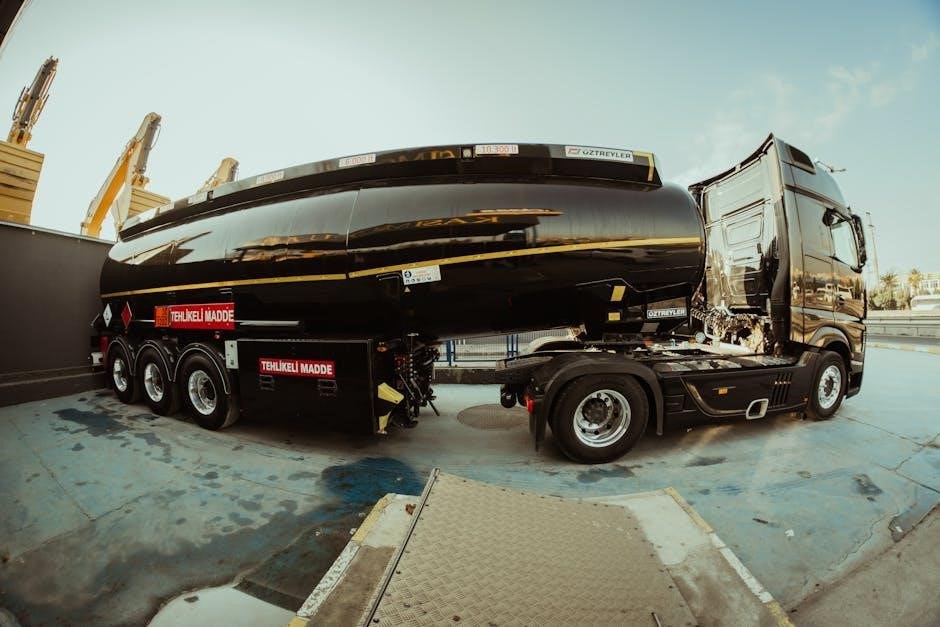
The tanker endorsement is a crucial addition to a Commercial Driver’s License (CDL) for anyone intending to operate vehicles designed to transport liquid or gaseous cargo in bulk. This specialized endorsement acknowledges the unique challenges presented by these types of loads, demanding a heightened understanding of vehicle dynamics and safety protocols. Tanker vehicles, unlike standard trailers, exhibit characteristics like liquid surge, impacting vehicle control and stability.
FMCSR Part 383 regulations, updated for 2025, establish the requirements for obtaining this endorsement, ensuring drivers possess the necessary knowledge. Successfully navigating the endorsement process requires dedicated study, utilizing resources like comprehensive study guides and practice tests. Understanding these regulations and operational nuances is paramount for safe and compliant tanker transportation.
Why a Tanker Endorsement is Required
A tanker endorsement isn’t merely a regulatory hurdle; it’s a vital safety measure. Transporting liquids and gases introduces unique risks not present with dry freight. Liquid surge, a wave-like motion within the tank, significantly alters a vehicle’s handling characteristics, demanding specialized driving techniques. Improper weight distribution can lead to rollovers, and specialized loading/unloading procedures are critical to prevent spills and accidents.
The Federal Motor Carrier Safety Administration (FMCSA) mandates this endorsement (FMCSR Part 383) to ensure drivers are fully equipped to manage these challenges. It demonstrates a commitment to safe operation and compliance with federal regulations, protecting both the driver and the public. Thorough preparation using a tanker endorsement study guide is essential for passing the required examination.
FMCSR Part 383 Regulations (2025 Update)
FMCSR Part 383 outlines the specific requirements for obtaining a tanker endorsement, updated for 2025. This regulation details the knowledge drivers must possess regarding the unique characteristics of liquid and gaseous cargo. It covers topics like surge control, weight distribution, and proper loading/unloading procedures, all crucial for safe operation.
The 2025 update emphasizes a comprehensive understanding of these principles, ensuring drivers can mitigate risks associated with tanker vehicles. Drivers must demonstrate proficiency in pre-trip inspections specifically tailored for tankers, and understand emergency response protocols. Utilizing a current tanker endorsement study guide is paramount to navigating these regulations and successfully passing the CDL examination.
Understanding Tanker Vehicle Operations
Master the complexities of liquid cargo handling, including surge, weight distribution, and specialized procedures, vital for safe and compliant tanker vehicle operation.
Unique Challenges of Liquid Cargo
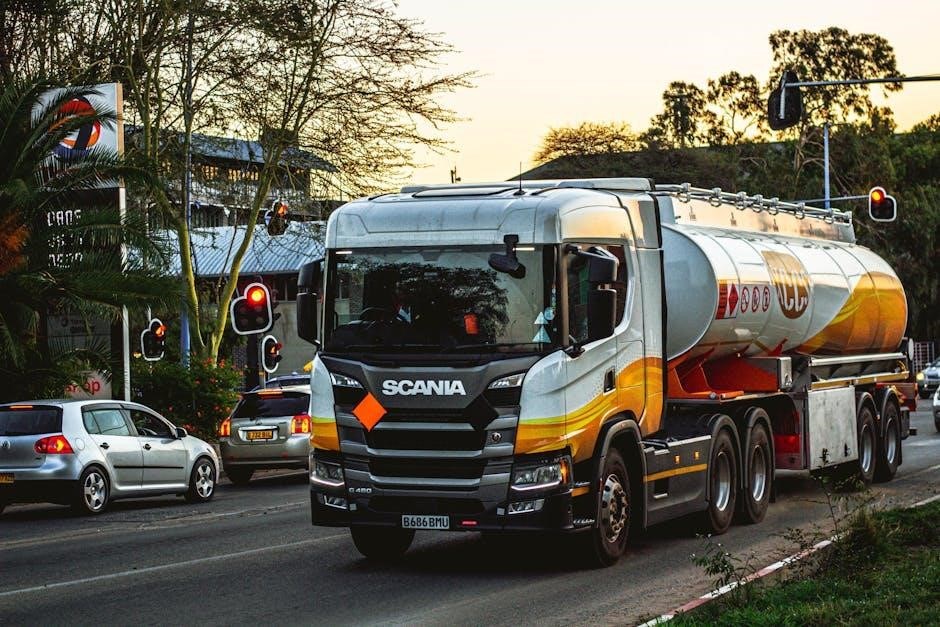
Transporting liquid cargo presents distinct operational hurdles compared to solid freight. The dynamic nature of liquids introduces challenges like liquid surge – the movement of liquid within the tank – significantly impacting vehicle stability and control, especially during braking or turning. Weight distribution is also critical; a shifting load can drastically alter the vehicle’s center of gravity, increasing rollover risk.
Furthermore, understanding the specific properties of the liquid being hauled is paramount. Different liquids have varying densities and viscosities, influencing how they behave during transit. Specialized loading and unloading procedures are essential to prevent spills, maintain product integrity, and ensure driver safety. Mastering these unique challenges is a core component of obtaining and maintaining a tanker endorsement.
Liquid Surge and its Impact on Vehicle Control
Liquid surge, the momentum of liquid within a tanker, dramatically affects vehicle handling. As the vehicle starts, stops, or turns, the liquid continues to move, creating a sloshing effect. This can cause a sudden shift in the vehicle’s center of gravity, leading to instability and potentially loss of control.
Drivers must anticipate and compensate for surge by reducing speed before turns and braking gently. Partially filled tanks are particularly susceptible to surge, amplifying its effects. Understanding how liquid volume and tank shape influence surge is crucial. Proper load distribution and awareness of the liquid’s characteristics are vital for mitigating these risks and maintaining safe vehicle operation.
Weight Distribution and Stability Considerations
Maintaining proper weight distribution is paramount for tanker vehicle stability. Uneven loading can significantly raise the center of gravity, increasing the risk of rollovers, especially during turns or emergency maneuvers. Drivers must understand how liquid density impacts weight distribution as tanks fill and empty.
Compartmentalized tankers offer greater control over weight distribution compared to single-compartment tanks. Regularly checking load gauges and adhering to weight limits for each axle are essential. Awareness of road conditions and adjusting speed accordingly further enhances stability. Proper training emphasizes the critical link between weight distribution, vehicle handling, and overall safety.

Loading and Unloading Procedures
Safe handling requires strict adherence to procedures during loading and unloading, prioritizing spill prevention and emergency preparedness for liquid cargo.
Safe Loading Practices for Tanker Vehicles
Prior to loading, meticulously inspect the tanker for any damage or leaks, ensuring compatibility between the cargo and tank materials. Grounding and bonding are crucial to prevent static electricity buildup during transfer operations, mitigating fire hazards.
Always utilize proper loading equipment and follow established facility procedures, maintaining clear communication with loading personnel. Monitor tank levels closely, avoiding overfilling which can lead to spillage and instability.
Secure all connections and valves after loading, verifying their integrity before departing. A thorough post-loading inspection confirms a safe and compliant operation, reducing risks associated with liquid cargo transport. Adherence to these practices is vital for driver and public safety.
Proper Procedures for Unloading Liquid Cargo
Before commencing unloading, verify the receiving facility’s compatibility with your cargo and confirm proper grounding and bonding connections are established. Communicate clearly with facility personnel regarding unloading rates and procedures, ensuring a coordinated and safe transfer.
Monitor tank levels diligently during unloading, preventing overdraw and potential damage to the receiving system. Inspect hoses and connections frequently for leaks or signs of wear, addressing any issues immediately.
After unloading, ensure all connections are securely closed and that the receiving facility acknowledges completion. A final inspection of the tanker confirms no residual product remains, promoting safe transport and preventing environmental hazards.
Emergency Procedures During Loading/Unloading
In the event of a spill during loading or unloading, immediately stop operations and notify the facility’s emergency response team and relevant authorities. Secure the area, eliminating ignition sources and preventing further spread of the product.
Assess the situation, identifying the spilled material and potential hazards. Utilize appropriate personal protective equipment (PPE) and containment measures, such as absorbent materials or dikes, to minimize environmental impact.
Follow established emergency protocols, including evacuation procedures if necessary, and cooperate fully with emergency responders. Thoroughly document the incident, detailing the cause, response actions, and any resulting damage.
Tanker Specific Knowledge Areas
Master tanker types, cargo compatibility, and thorough inspection procedures – crucial for safe operations and passing your endorsement exam effectively.
Types of Tanker Vehicles and Their Applications
Understanding the diverse range of tanker vehicles is paramount for CDL endorsement success. These specialized vehicles aren’t one-size-fits-all; they’re designed for specific cargo types and operational needs. Common types include liquid tankers – used for fuels, chemicals, and food-grade liquids – and gas tankers, handling compressed or liquefied gases.
Additionally, you’ll encounter specialized tankers like those for asphalt, or dry bulk commodities transported in pneumatic tankers. Each type demands unique handling procedures and safety protocols. Knowing the applications – from fuel delivery to chemical transport – helps drivers anticipate potential hazards and implement appropriate safety measures. Familiarize yourself with the construction and features of each tanker type to ensure safe and compliant operation, as detailed in the March 2025 CDL manual.
Cargo Compatibility and Segregation
A critical aspect of tanker endorsement knowledge involves understanding cargo compatibility and proper segregation. Mixing incompatible liquids can lead to dangerous chemical reactions, fires, or explosions. The CDL manual emphasizes utilizing compatibility charts to determine safe pairings before loading.
Segregation isn’t just about chemical reactions; it also prevents contamination of products. Dedicated hoses, valves, and thorough cleaning procedures between loads are essential. Hazmat regulations, if applicable, further dictate specific segregation distances and loading sequences. Mastering these principles, and referencing placarding guidelines, ensures safe transport and prevents costly or catastrophic incidents. Thorough study guides and practice tests will reinforce these vital concepts.
Inspection Procedures for Tanker Vehicles
Tanker vehicles require meticulous pre-trip, en-route, and post-trip inspections beyond standard CDL checks. Focus on the tank itself – examining for dents, corrosion, leaks, and proper securement. Inspect all valves, hoses, and loading/unloading connections for damage or wear.

Pay close attention to the tank’s pressure relief devices and emergency shut-off systems, ensuring they function correctly. Thoroughly check the vehicle’s braking system, as liquid surge significantly impacts stopping distance. Detailed study guides emphasize documenting all inspection findings and addressing any defects immediately. Consistent, comprehensive inspections are paramount for safe tanker operations and passing the endorsement test.

Preparing for the Tanker Endorsement Test
Utilize CDL tanker endorsement study guides and practice tests to familiarize yourself with question formats and content, boosting your confidence for success.
Utilizing CDL Tanker Endorsement Study Guides
Effective preparation hinges on selecting a comprehensive CDL tanker endorsement study guide. These guides, often available as PDFs, consolidate crucial information from the FMCSR Part 383 regulations (updated for 2025) and the March 2025 CDL manual. Look for guides that specifically address the unique challenges of liquid cargo, including liquid surge, weight distribution, and proper loading/unloading procedures.
Prioritize guides offering detailed explanations of tanker-specific knowledge areas, such as vehicle types, cargo compatibility, and thorough inspection protocols. Many resources also include practice questions mirroring the actual endorsement test. Supplementing your study with multiple guides can provide diverse perspectives and reinforce key concepts. Remember to verify the guide’s currency, ensuring it reflects the latest regulations and best practices for safe tanker operations.
Practice Tests and Question Formats
Mastering the tanker endorsement requires consistent practice with realistic test questions. Many CDL study guide PDFs incorporate practice tests designed to simulate the actual exam environment. Expect questions covering FMCSR Part 383 regulations, safe operating procedures, and emergency response protocols related to tanker vehicles.
Familiarize yourself with various question formats, including multiple-choice, true/false, and scenario-based questions. Online resources often provide timed practice tests, helping you build speed and accuracy. Analyze your results to identify areas needing improvement. Focus on understanding the why behind each answer, not just memorizing facts. Utilizing a variety of practice tests will significantly increase your confidence and preparedness for the tanker endorsement exam.
Key Resources for Test Preparation (March 2025 Manual)
The Commercial Driver’s License (CDL) Manual, version March 2025, is a foundational resource for tanker endorsement preparation. This manual, available from the AAMVA, details FMCSR regulations and safe operating practices. Supplement this with dedicated tanker endorsement study guide PDFs, offering focused content and practice questions.
Reputable online platforms provide comprehensive study materials, including practice tests mirroring the exam format. Look for resources that specifically address liquid surge, weight distribution, and loading/unloading procedures. Consider exam crash courses and guides loaded with targeted practice questions. Remember, the FMCSA grant-supported manual is a crucial starting point for a thorough understanding of tanker vehicle operations and regulations.

Hazmat Considerations (If Applicable)
If hauling hazardous materials, understand compatibility charts, placarding rules, and emergency response procedures detailed in the March 2025 manual.
Overview of Hazmat Regulations
Navigating hazmat regulations is crucial for tanker endorsement holders. The Federal Motor Carrier Safety Administration (FMCSA) governs these rules, ensuring safe transportation of dangerous goods. Understanding these regulations, detailed in the March 2025 CDL manual, is paramount for passing the endorsement test and, more importantly, for safe operation. Key areas include proper classification of materials, correct packaging requirements, accurate shipping papers, and appropriate emergency response information. Drivers must be aware of specific regulations pertaining to loading, unloading, and securing hazardous cargo. Furthermore, familiarity with the Emergency Response Guidebook (ERG) is essential for handling incidents involving hazardous materials. Ignoring these regulations can lead to severe penalties and, most critically, endanger lives.
Compatibility Charts and Placarding
Proper cargo segregation and placarding are vital components of hazmat transportation. Compatibility charts, found within the CDL manual (March 2025 version), detail which hazardous materials can and cannot be transported together, preventing dangerous reactions. Placarding, using standardized diamond-shaped labels, communicates the hazards present on the tanker to emergency responders and the public. Drivers must accurately identify the primary hazard class of the cargo and display the corresponding placards. Incorrect placarding can result in substantial fines and jeopardize safety. Understanding the placarding requirements, including specific exceptions and rules for mixed loads, is essential for passing the tanker endorsement test and ensuring compliance with FMCSA regulations.
Emergency Response Procedures for Hazmat Incidents

In the event of a hazmat incident involving a tanker, immediate and correct action is crucial. Drivers must know how to protect themselves, secure the scene, and notify emergency services. This includes understanding the Emergency Response Guidebook (ERG), a key resource for initial response. Procedures involve isolating the area, preventing ignition sources, and providing accurate information about the spilled material. Drivers should be familiar with reporting requirements to relevant authorities, like the National Response Center. Proper training, detailed in CDL study guides, emphasizes the importance of personal protective equipment and following established emergency protocols to minimize environmental impact and ensure public safety.
Leave a Reply
You must be logged in to post a comment.